
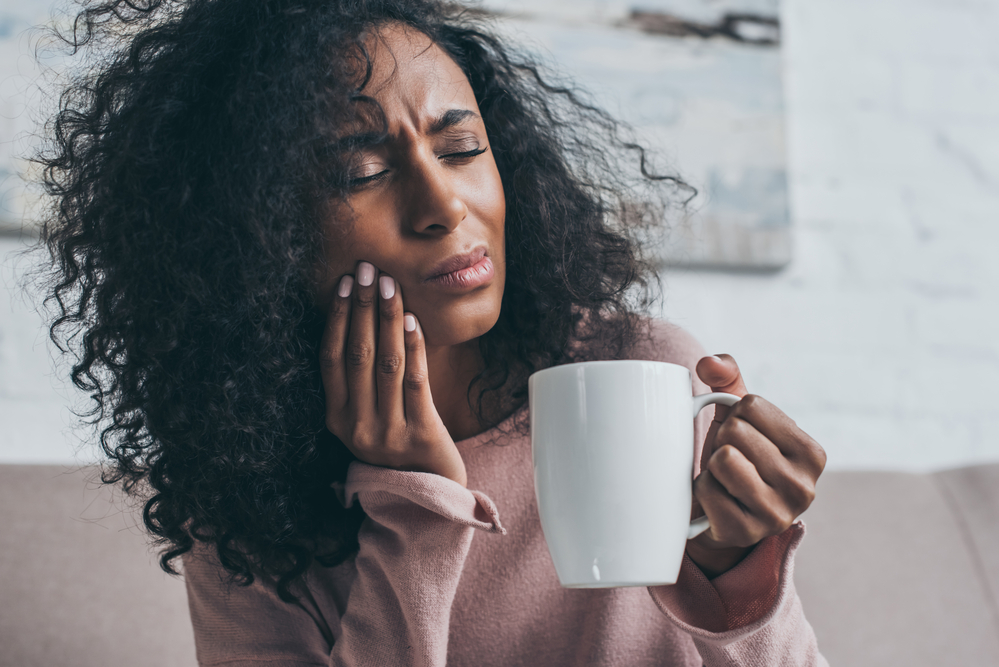
Have you ever taken a sip of ice-cold water and felt a sudden, sharp sensation in one of your teeth? Maybe hot coffee, sweet treats, or even breathing in cold air makes your teeth uncomfortable.
If so, you’re not alone. Tooth sensitivity is a common dental concern that can affect people of all ages. While occasional discomfort might seem like a minor inconvenience, persistent sensitivity can sometimes indicate an underlying dental problem that deserves attention.
At Johnson Family Dental in Paducah, KY, Dr. Ben Johnson and his team help patients understand their dental concerns and find appropriate ways to protect their smiles.
What Causes Tooth Sensitivity?
Your teeth contain several layers that work together to protect the sensitive inner portion of each tooth. When the protective outer enamel wears down or the gums recede, the underlying dentin can become exposed. This may allow hot, cold, sweet, or acidic foods and drinks to trigger discomfort.
Several factors can contribute to sensitive teeth.
1. Enamel Wear
Enamel protects your teeth from everyday use. However, brushing too aggressively, consuming acidic foods and drinks frequently, or other factors can contribute to enamel erosion or wear.
Using a soft-bristled toothbrush and brushing gently can help protect your enamel while keeping your teeth clean.
2. Cavities
Tooth decay can cause sensitivity, especially when eating sweets or consuming hot and cold foods and beverages. Sometimes a cavity develops without obvious symptoms at first.
If sensitivity is new, persistent, or concentrated in one particular tooth, a dental examination can help determine whether decay may be responsible.
3. Gum Recession
Your gums help protect the roots of your teeth. When gum tissue recedes, portions of the roots may become exposed, making your teeth more sensitive.
Changes in gum health can occur for several reasons, including periodontal disease and aggressive brushing. Your dentist can evaluate your gums and recommend appropriate care.
4. Cracked or Damaged Teeth
A cracked tooth or damaged filling can sometimes cause sharp pain when biting down or when your tooth comes into contact with certain temperatures.
If you notice sudden sensitivity, pain when chewing, or discomfort that doesn’t go away, contact your dentist rather than ignoring the problem.
5. Teeth Whitening Products
Some teeth whitening products can cause temporary sensitivity. If you experience discomfort while whitening your teeth, consider pausing treatment and asking your dentist which options may be appropriate for you.
Professional guidance can help you pursue a brighter smile while minimizing unnecessary discomfort.
What Can You Do at Home?
If your teeth are sensitive, a few simple changes may help reduce discomfort:
- Use a soft-bristled toothbrush. Brush gently rather than scrubbing your teeth aggressively.
- Try toothpaste formulated for sensitive teeth. These products may help reduce sensitivity with consistent use.
- Limit frequent acidic drinks. Soda, citrus beverages, and other acidic products can contribute to enamel erosion.
- Rinse with water after acidic foods and drinks. Avoid brushing immediately after consuming something acidic; waiting about 30–60 minutes can help protect softened enamel.
- Maintain your daily oral hygiene routine. Continue brushing twice daily with fluoride toothpaste and cleaning between your teeth.
These steps may help, but they aren’t a substitute for a dental examination when sensitivity persists or worsens.
When Should You See a Dentist?
Don’t assume sensitive teeth are something you simply have to live with.
Schedule a dental appointment if you experience persistent sensitivity, discomfort when chewing, visible damage to a tooth, or pain that interferes with eating and drinking.
Severe or worsening tooth pain, facial swelling, or fever accompanied by dental pain warrants prompt evaluation. If you have difficulty breathing or swallowing, seek emergency medical care.
Identifying the cause of sensitivity is important because the right treatment depends on what’s happening with the affected tooth or surrounding tissues.
Personalized Dental Care in Paducah, KY
At Johnson Family Dental, Dr. Ben Johnson emphasizes comprehensive oral health, beginning with healthy gums and continuing with the prevention and treatment of dental problems.
The practice provides general, restorative, and cosmetic dental services, including tooth-colored fillings, porcelain crowns, bridges, and other treatments designed to help patients maintain healthy, functional smiles.
Whether your sensitivity is making it difficult to enjoy your favorite foods or you simply have questions about your dental health, the team can help you determine the next appropriate step.
Schedule an Appointment With Johnson Family Dental
You shouldn’t have to avoid your favorite foods and beverages because of uncomfortable tooth sensitivity. If something doesn’t feel right, having your teeth evaluated is a good place to start.
Johnson Family Dental
2913 Lone Oak Road
Paducah, KY 42003
Call (270) 554-2432 to schedule your appointment.
Office Hours: Monday–Thursday, 8:00 AM–5:00 PM.
Dr. Ben Johnson and the team at Johnson Family Dental are proud to care for patients and families in Paducah and the surrounding communities.
Don’t ignore sensitive teeth. Schedule an appointment and take the next step toward a healthier, more comfortable smile!